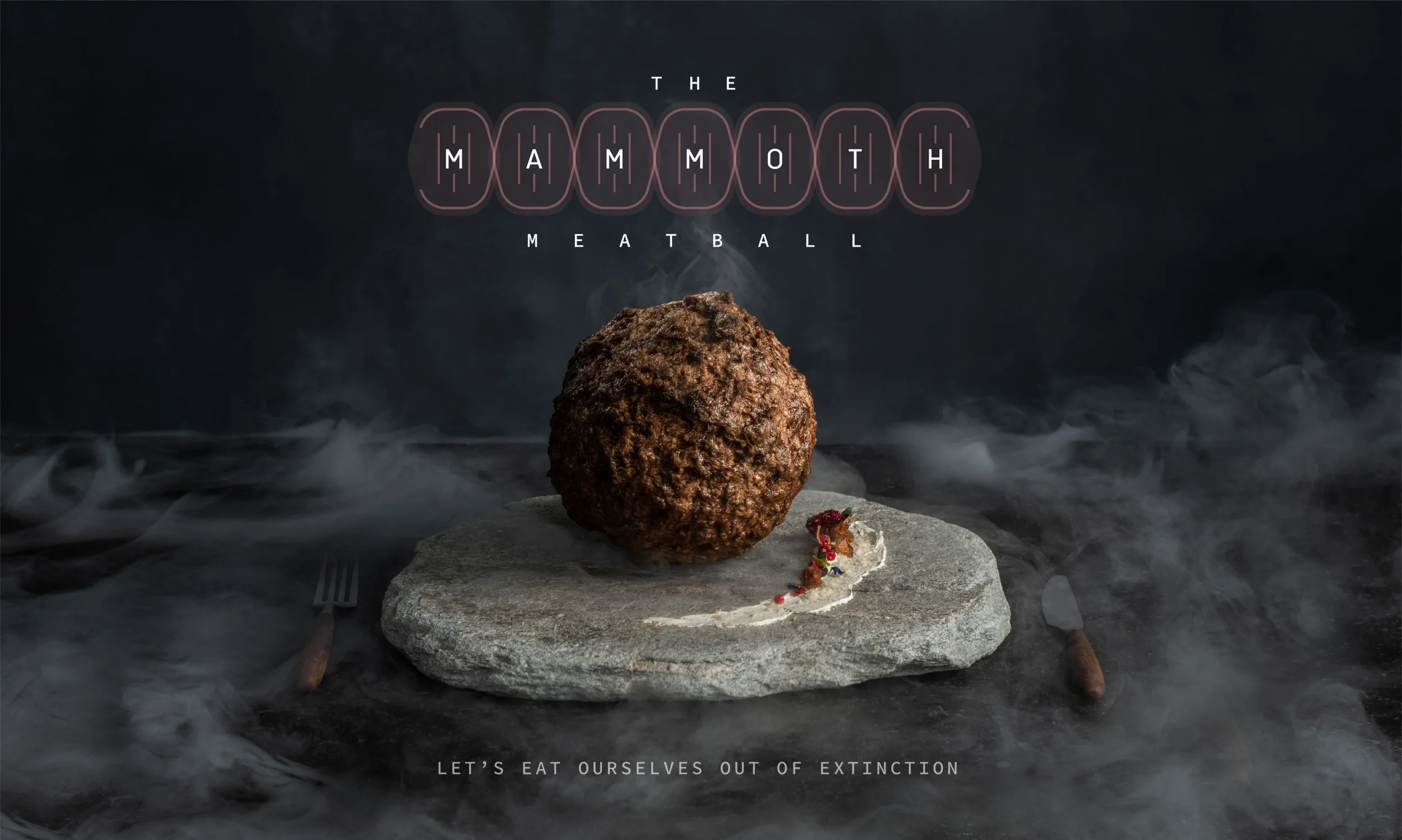
x The Mammoth Meatball
THE URGENT ISSUE
The current food system is facing numerous challenges, and the state of animal agriculture is at the forefront of these concerns.
Despite efforts to reduce our dependence on animal products, the trend of eating more meat continues, particularly in developed countries where the average consumption is already at an all-time high. And as developing nations experience economic growth and greater access to meat, it's projected that this trend will only continue to escalate.
It is clear that we need to radically change the way we eat.
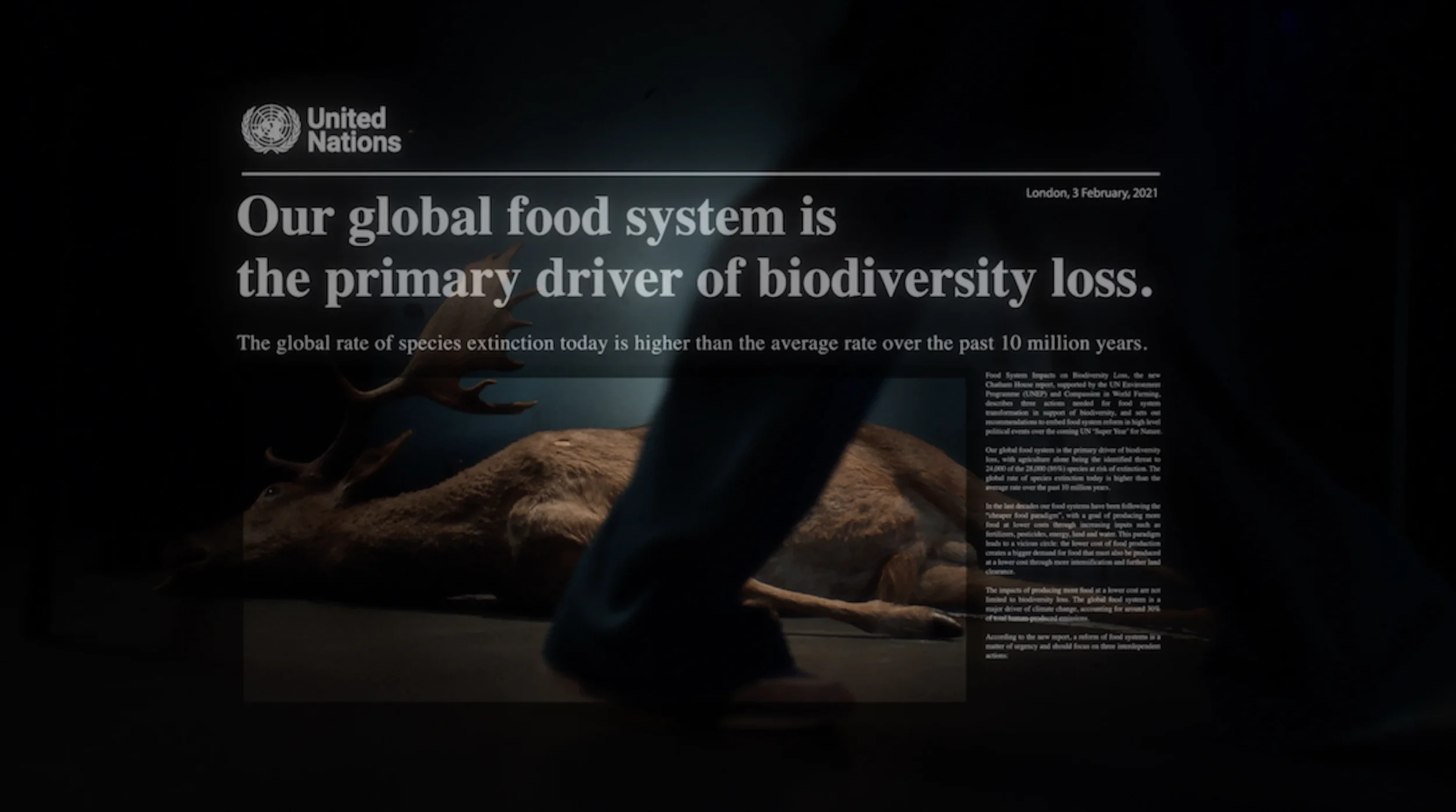
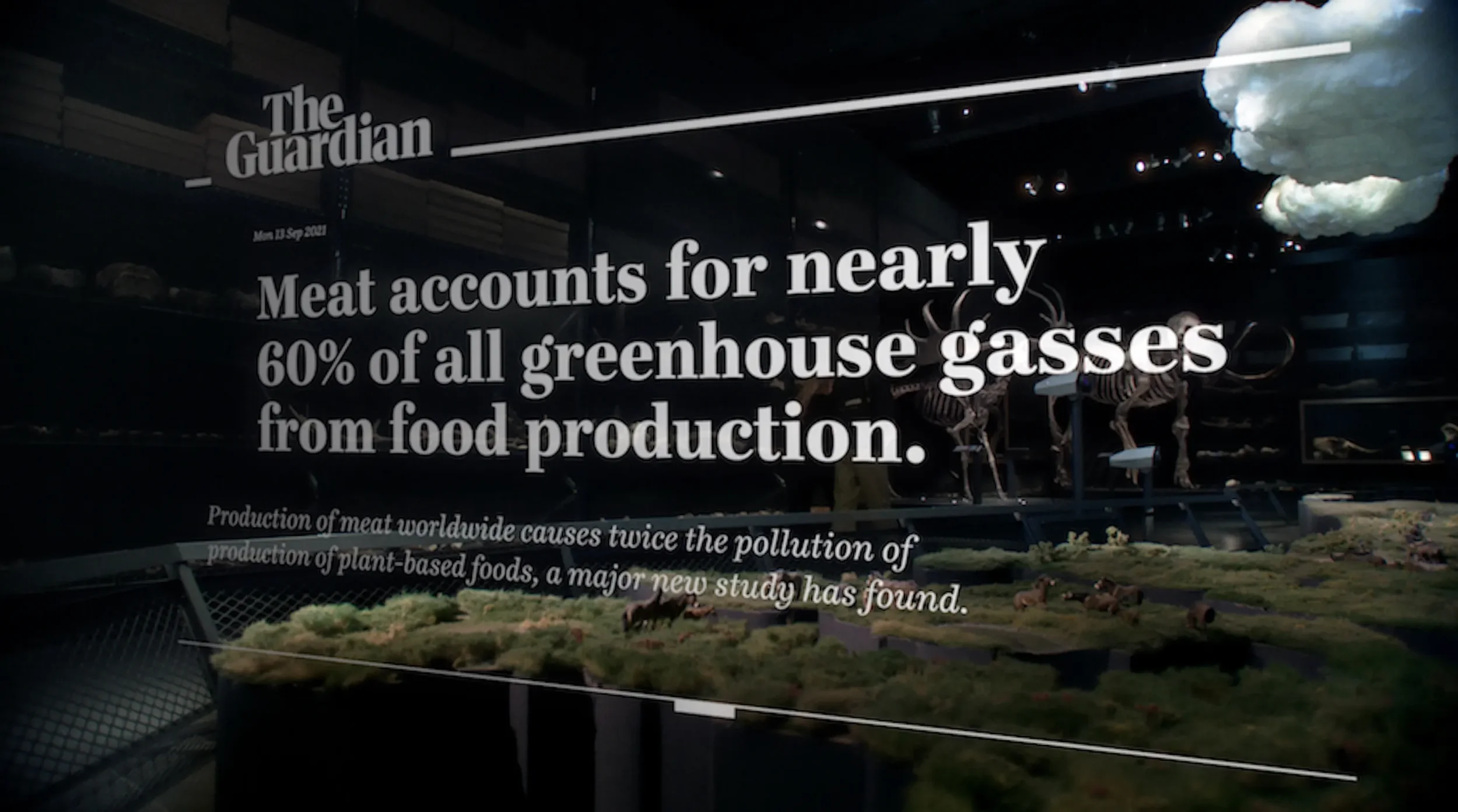
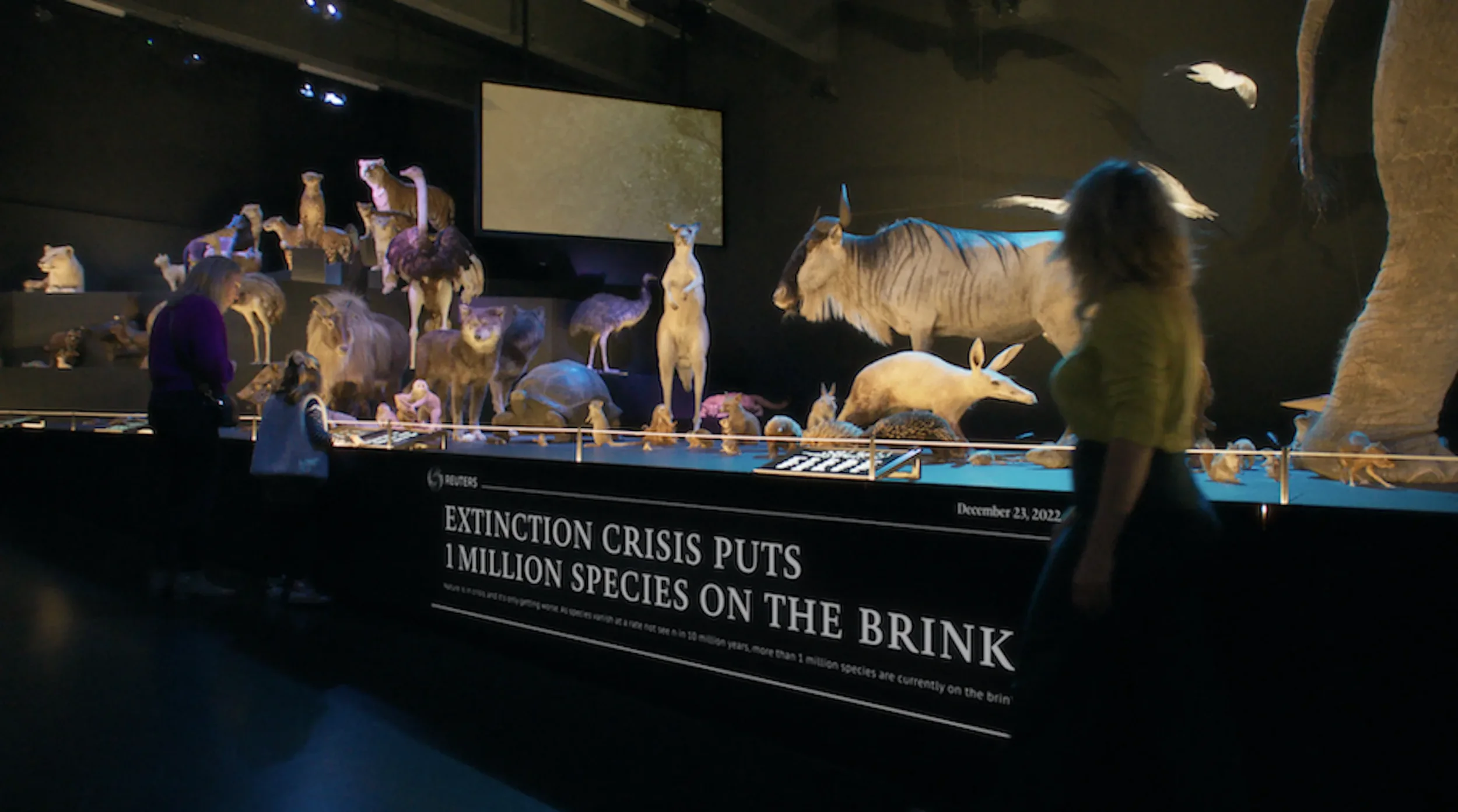
With 28-30% of global greenhouse gases generated by food production and a growing global population approaching 9 billion, the world will need to produce as much food in the next 40 years it did in the last 8,000, according to the World Economic Forum. In a report by Chatham House for the UN documenting how our global food system is a primary driver of biodiversity loss, it's estimated that 86% of the 28,000 species at threat of extinction list agriculture as a potential contributing factor.

“Advertisers often talk about pushing boundaries, but scientists are the ones pushing the real boundaries of knowledge and finding new answers to age-old questions. Let’s use that knowledge more often for the benefit of our clients.”
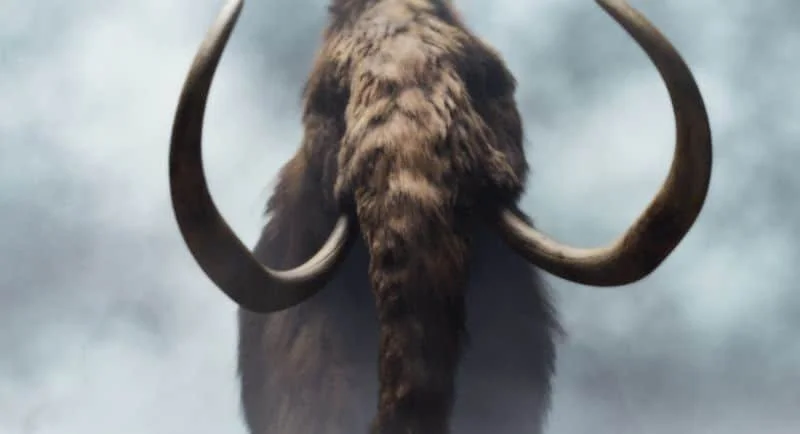
10,000 years ago, giant mammoths roamed the earth but climate change destroyed every last one of them. Unable to adapt to the dramatic speed in which their landscape transformed, the woolly mammoth became a monumental symbol of what's at stake. Today, over one million species are at risk of extinction because of climate change – and that includes the human race.
Will humans eat their way out of extinction?
Introducing the Mammoth Meatball

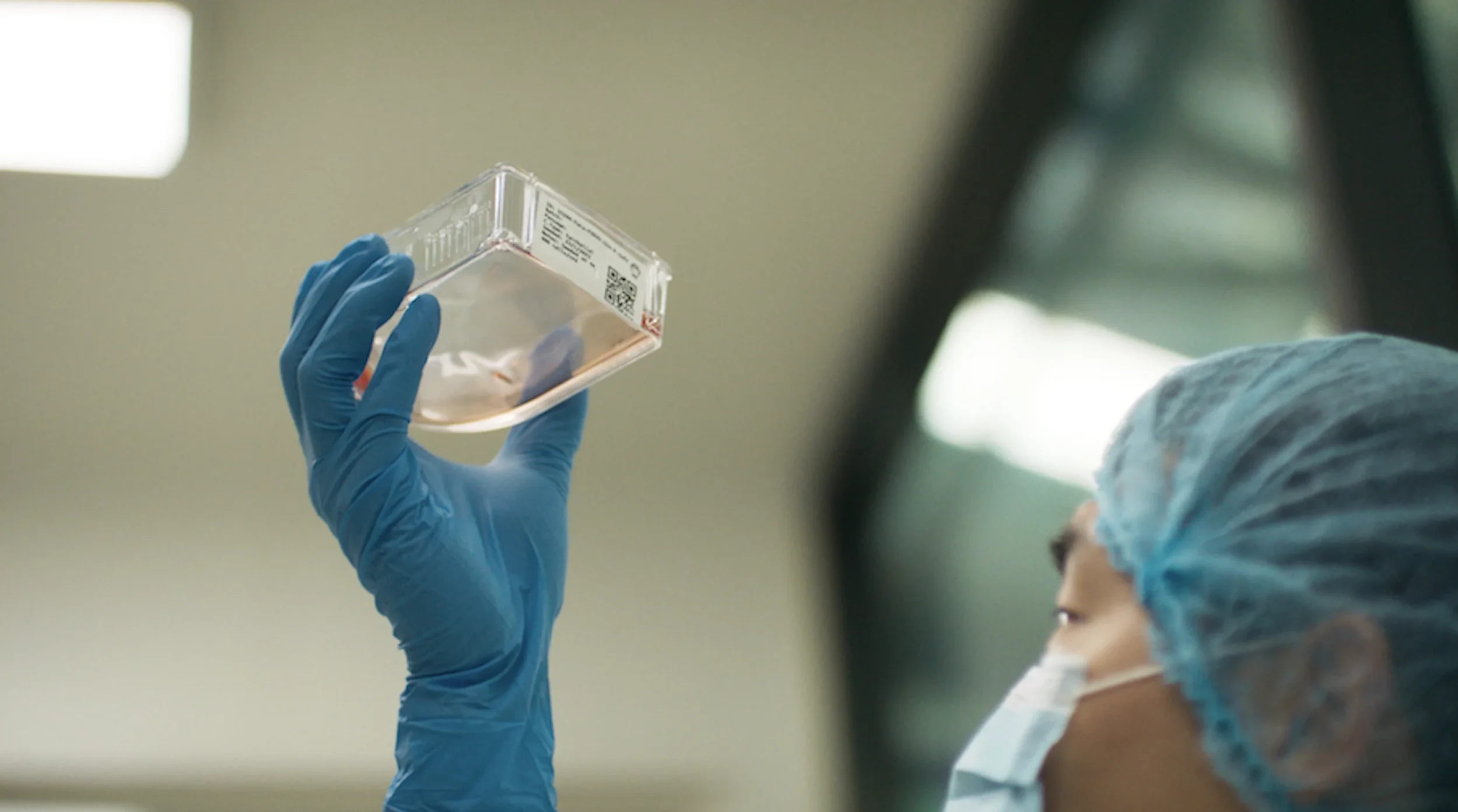
A unique experiment to inspire new conversations about the future of food. The world’s first meatball made from mammoth DNA was revealed at Nemo Science Museum in the Netherlands, a scientific experiment using advanced molecular engineering by the Australian cultured meat company Vow and a team of international experts to demonstrate the potential of cultured meat to revolutionize the food industry.
Using new and innovative technology, the Mammoth Meatball was created from the DNA of the extinct woolly mammoth and completed with fragments of African elephant DNA, a close relative to the mammoth.
Mammoth Meatball is a striking statement to challenge the public and the meat industry to think differently about how food is produced and how we consume food, highlighting cultured meat as a viable alternative to traditional animal agriculture.